How Virtual Cards Are Powering Economic Growth and Inclusion in Emerging Markets

Emmanuel Amegah
February 4, 2025
Emerging markets are the engine of global growth, boasting vibrant economies and a young, tech-savvy population. As these regions continue to adopt digital technologies, the demand for accessible and secure financial solutions has skyrocketed. Yet, traditional banking systems often struggle to keep up with the speed and scale of innovation, leaving millions without reliable tools for everyday transactions. The rise of digital transformation across industries has made virtual cards more than just a convenience, they have become essential for individuals, businesses, and economies to thrive.
What is a Virtual Card?
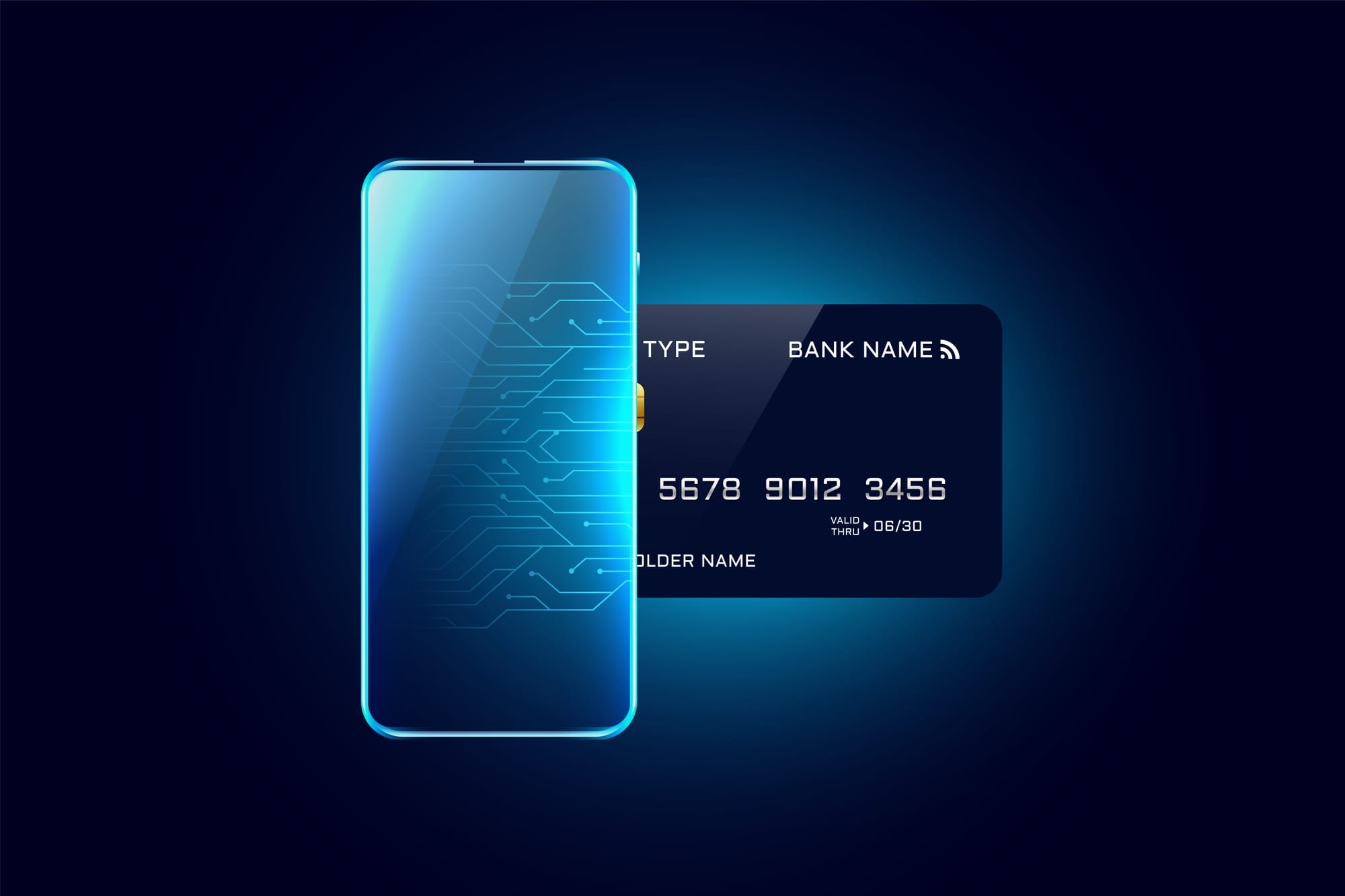
A virtual card is a digital version of a physical payment card, designed to facilitate secure and convenient online or contactless transactions. Unlike traditional cards, virtual cards exist entirely in digital form, meaning they are not issued as physical plastic cards. They come with unique card numbers, expiration dates, and CVVs, just like a physical card, but are accessible through mobile apps, online banking platforms, or other digital wallets.
Virtual cards can be issued for one-time use (disposable) or multiple uses (reusable), depending on the specific needs of the user or the issuing institution.
Why Virtual Cards Are Vital in Today’s Economy
- Securing Transactions in a Digital World
With the increase in online transactions, the risk of fraud, data breaches, and identity theft has risen. Virtual cards offer:
- Dynamic Card Details: Unique numbers for each transaction reduce the chance of card misuse.
- Privacy Protection: Personal information is shielded, ensuring safer online shopping and payments.
This makes virtual cards a vital tool for combating cyber threats in an increasingly connected world.
- Powering Global Commerce and Remote Work
Businesses operating across borders face challenges in managing payments efficiently. Virtual cards:
- Simplify Cross-Border Payments: Allow businesses to transact globally with less friction.
- Facilitate Remote Work: Help employers pay remote teams and freelancers securely and quickly, regardless of location.
By enabling seamless international transactions, virtual cards help businesses scale and compete in the global economy.
- Empowering Control and Oversight
For both individuals and businesses, financial control is critical. Virtual cards provide:
- Customizable Spending Limits: Set caps for transactions to prevent overspending.
- Real-Time Monitoring: Track spending and manage card usage digitally.
This makes virtual cards essential for managing expenses and optimizing budgets efficiently.
- Enabling Financial Access in Underserved Markets
In many emerging markets, access to traditional banking is limited. Virtual cards:
- Provide a pathway to digital payments for unbanked and underbanked populations.
- Allow users with minimal financial infrastructure to access global platforms and participate in e-commerce.
This access is crucial for driving financial inclusion and bridging economic gaps.
How Virtual Cards contribute to growth in emerging markets?
- Enhancing Financial Accessibility
Virtual cards are revolutionizing access to financial systems for unbanked and underbanked populations. With no need for physical branches or extensive paperwork, they allow users to access digital financial services securely and efficiently. This accessibility is crucial in emerging markets where millions of people may lack access to traditional banking infrastructure but have internet-enabled devices. - Driving Secure and Flexible Transactions
Virtual cards offer a level of security that traditional payment methods often cannot match. Their ability to generate unique card details for each transaction minimizes fraud risks—a critical advantage in markets where cybersecurity concerns are prominent. Additionally, virtual cards allow users to set spending limits, control usage, and make international transactions with ease, empowering businesses and individuals alike. - Empowering Businesses with Global Reach
For businesses in emerging markets, virtual cards unlock opportunities to participate in the global economy. They make cross-border payments faster and more reliable, enabling local entrepreneurs to collaborate with international partners, access global platforms, and scale operations seamlessly. Furthermore, virtual cards streamline expense management, giving businesses granular control over spending while reducing the administrative overhead of managing physical cards. - Enabling Digital Innovation and Integration
With more platforms and fintech solutions relying on virtual card technology, emerging markets can leapfrog traditional financial systems and embrace a digitally integrated future. Virtual cards serve as a backbone for innovations like e-commerce platforms, gig economy apps, and subscription-based services, driving economic growth and job creation.
The Role of Strategic Partnerships in Virtual Card Deployment

Bringing the power of virtual cards to businesses and individuals requires strategic partnerships. Through our collaboration with Rain Cards, we offer a virtual card solution with extensive issuing coverage, enabling secure and seamless transactions across multiple regions. This ensures that our customers benefit from the most comprehensive virtual card coverage available, with access to the industry's most reliable tech stack for their talent.
This partnership also expands financial access in emerging markets, making cross-border payments more efficient and accessible. By leveraging this wide-reaching infrastructure, we provide a scalable and flexible solution that meets the evolving financial needs of businesses and individuals alike.
A Brighter Future with Virtual Cards
As e-commerce continues to thrive and more businesses adopt remote and digital-first operations, virtual cards provide a secure, efficient, and environmentally friendly alternative to traditional payment methods. They cater to the needs of tech-savvy consumers, businesses with global reach, and financial institutions looking to modernize their offerings.
The rise of virtual cards isn’t just a technological shift—it’s a social and economic transformation. These tools empower individuals with financial autonomy, unlock growth opportunities for businesses, and accelerate the integration of these regions into the global economy.
At Cadana, we are proud to play our part in this evolution, partnering with innovative providers to deliver solutions that truly make a difference. Together, we’re shaping a future where financial inclusion and innovation know no boundaries.
Emmanuel Amegah