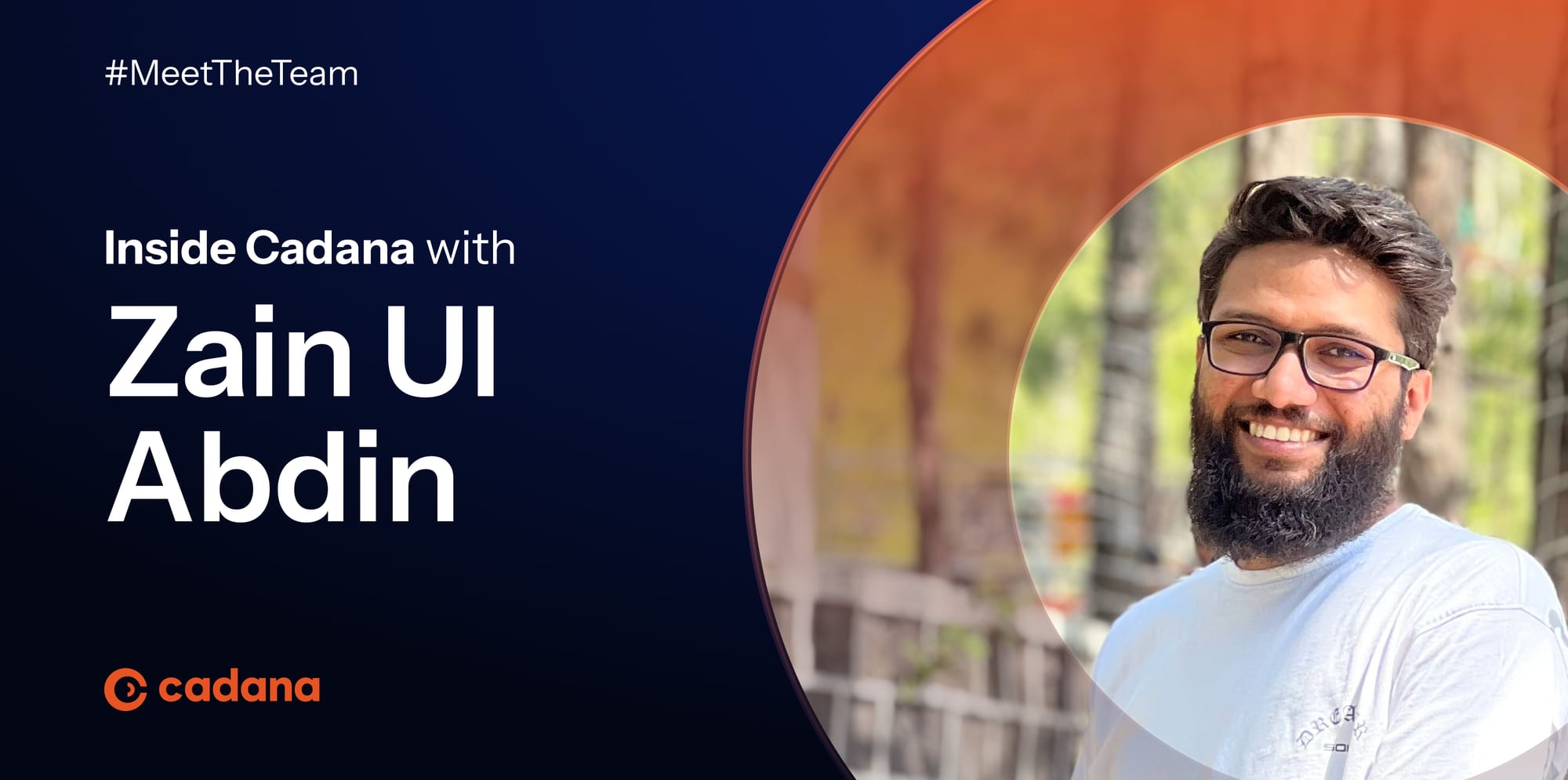
Beyond the Numbers with Zain Ul Abdin, Inside Cadana.
Emmanuel Amegah
September 4, 2026
At Cadana, Zain Ul Abdin spends his days thinking about how things could work better. As our Finance Lead, that means turning manual processes into smarter systems, improving visibility, and building financial infrastructure that can keep pace with a growing global business.
But that instinct to understand, optimize, and explore doesn’t stop when the workday ends.
In this edition of Inside Cadana, we get to know Zain beyond the numbers. From his path into finance and why Cadana’s mission hits particularly close to home in Pakistan, to early-morning motorcycle rides, family dinners, and a future trip through the mountains of Hunza, Zain shares what drives him both personally and professionally.
We also talk about why he’s traded busyness for leverage, his tendency to fall down a good research rabbit hole, and the one thing he hopes to have much more of five years from now: time.
Let’s get to know Zain.
Before we get into Cadana, tell us a little about yourself. Where are you from, and what should people know about Zain outside of work?
I am from Islamabad, Pakistan, and outside of work, I'm mostly a family person. A lot of my time revolves around my family, but I also like having things of my own to explore.
I'm interested in fitness, motorcycles, technology, and finding ways to make everyday life a little more efficient. I'm naturally curious, so I tend to go down rabbit holes whenever something catches my attention.
How did you end up in finance? Was it always the plan, or did your career take you there unexpectedly?
Finance wasn't a childhood dream, but numbers, problem-solving, and understanding how businesses work always made sense to me. I was decent with numbers at school and finance felt like the sensible option, so I started ACCA without any grand vision behind it.
What actually hooked me came later. I spent seven years at S&P Global, and that's where I learned what "the number has to be right" really means when other people are making decisions off it. Somewhere in those years the work stopped being about recording what happened and started being about explaining why the business looked the way it did.
So it wasn't one big decision that led me into finance. Each role showed me a different side of it and made me want to learn more.
What eventually brought you to Cadana, and what made you want to join the team?
I'd spent a good part of my career in large, well-established finance functions where the systems were already built and my job was to run them. I wanted the opposite of that. Cadana was building its processes as it grew, which meant I'd get to shape how things worked.
It also sits at the intersection of finance, technology, and global payments, so it was never going to be just another accounting role. There was an opportunity to understand the business more broadly, work with different teams, and solve problems in an environment where things move quickly.
The product mattered to me too. I live in a market where getting paid across borders is genuinely difficult, and Cadana works on exactly that problem for people in similar places. The idea that technology can make it easier for people to take part in the global economy, regardless of where they live, is something I find meaningful.
What does being Cadana’s Finance Lead actually look like day to day, and what part of the job do you enjoy most?
My work moves between financial reporting, reconciliations, payment operations, process improvements, and working with other teams to solve a problem.There isn't really a completely typical day, which is probably part of what I enjoy. For me, I enjoy taking something complicated, manual, or inefficient and figuring out how to make it simpler.
Finance is often seen as the team that tells you what happened. I prefer being part of the team that also asks how we make this better.
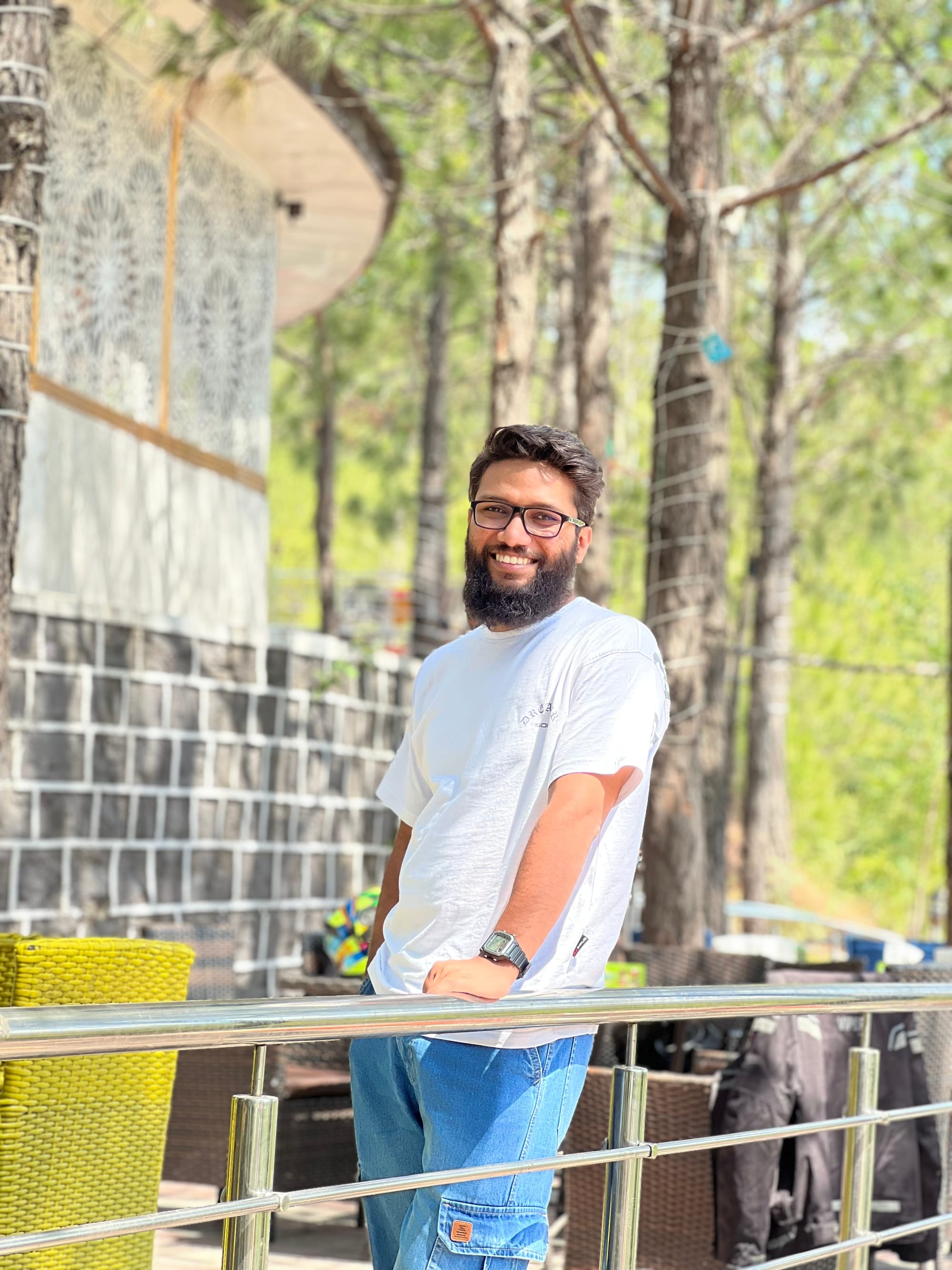
What’s something you’ve worked on at Cadana that you’re genuinely proud of, even if most people outside the Finance team would never know it happened?
A lot of the work I'm most proud of is the kind that isn't very visible, especially to people outside of Finance. There have been a number of processes around reporting, controls, and analysis where we have gradually removed manual work, improved visibility, and made things more reliable.
I'm particularly proud of these improvements I've been able to contribute to. Sometimes it's as simple as turning a process that used to take hours into something that takes minutes. Nobody necessarily notices when it works well, but that is usually the point.
I think good finance infrastructure should make the business move faster without creating unnecessary risk.
What’s something you’ve changed your mind about in the last few years, either professionally or personally?
I have changed my mind about what productivity actually means.
Earlier in my career, I probably associated being productive with being busy. The more things you were handling, the more productive you felt.
Over time, I've become much more interested in leverage. If you can improve a process, automate repetitive work, or build something that prevents the same problem from happening again, that's often much more valuable than simply working harder.
I have also become more comfortable with the idea that you don't need to have everything figured out before you start. Sometimes you learn more by building something, testing it, and improving it along the way.
What does a really good day outside of work look like for you?
A really good day is pretty simple.
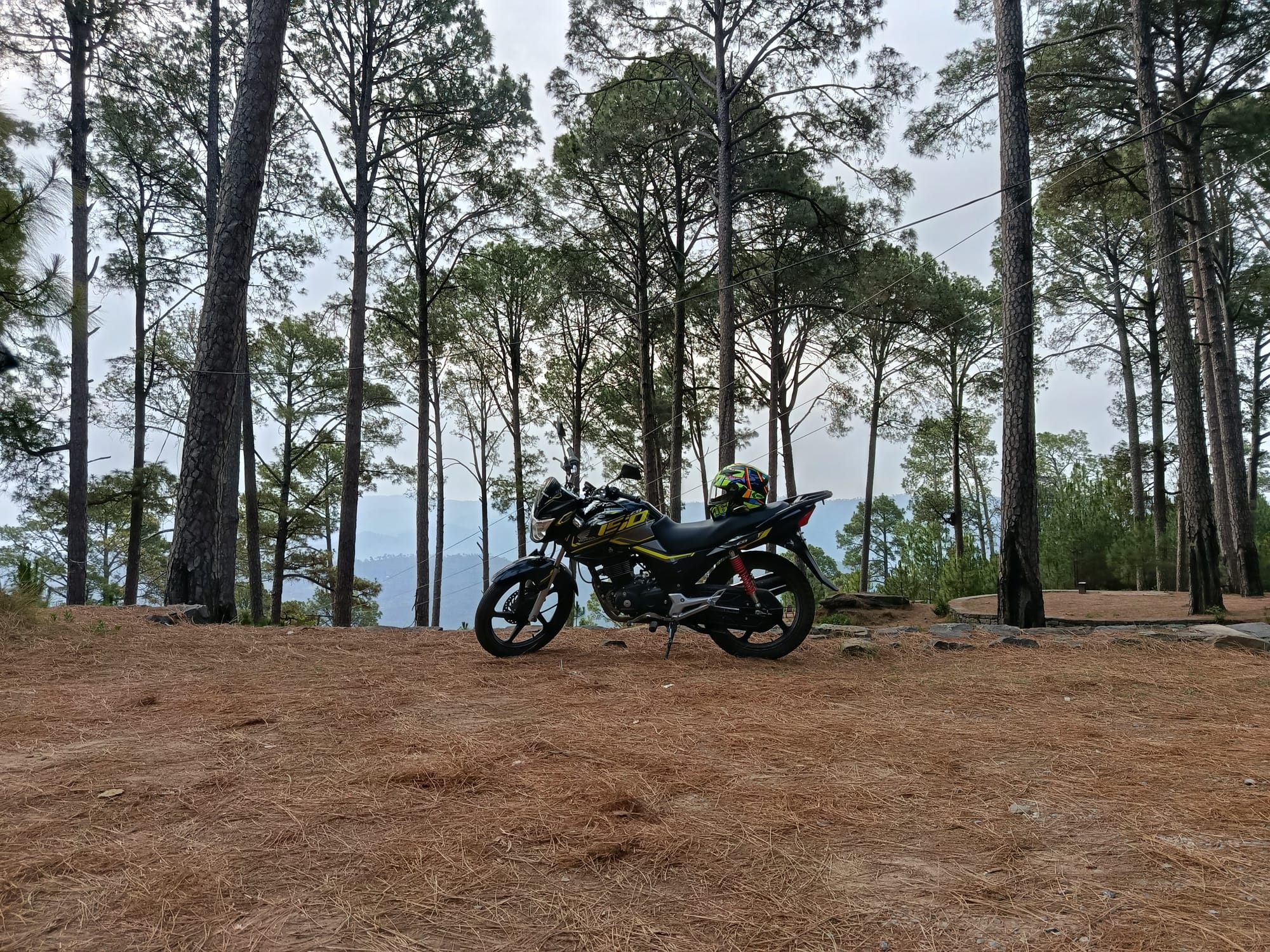
Out of the house before sunrise, on the motorcycle, somewhere with a road that doesn't get boring. Breakfast at a roadside place where nobody's in a hurry. Home in the evening, dinner with family, nothing scheduled.
A day where I have time for the people I care about and still get some time for myself is usually a good day.
What’s something you could talk about for an hour with absolutely no preparation?
Probably anything involving systems and optimisation. I enjoy figuring out how things work and then thinking about how they could work better. Give me a messy process and enough time and I'll start pulling it apart.
Outside of work, motorcycle rides are another easy one. I'll happily talk past the point where the other person has stopped listening.
What’s a place you’ve been that you’d go back to tomorrow, or somewhere you haven’t been yet that’s at the top of your list?
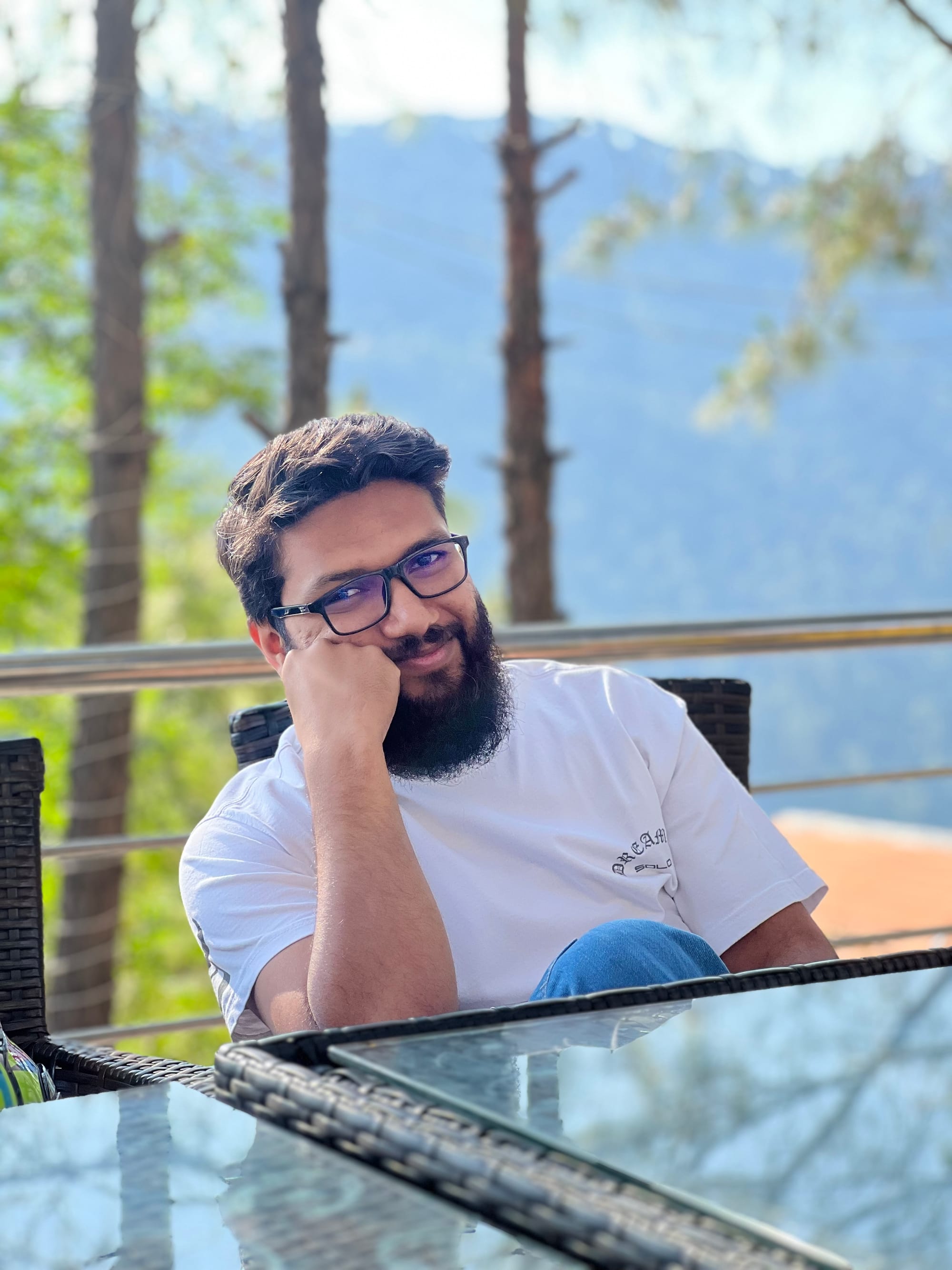
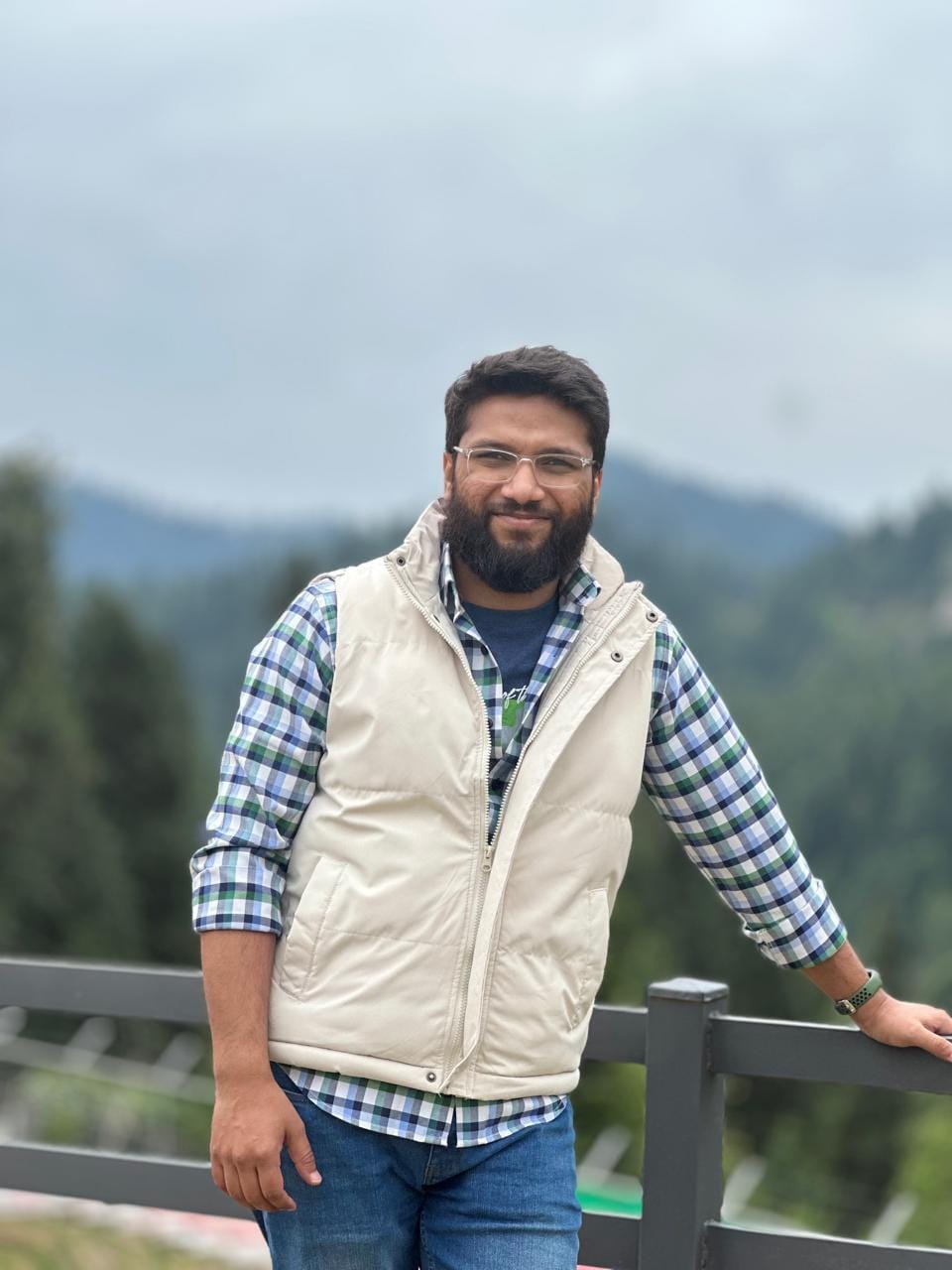
The northern areas of Pakistan, and Hunza in particular. I would probably leave tomorrow if I get the chance.
There's something very different about getting away from the routine, being around mountains, and having a few days where the pace of life slows down. It's also one of those places where photos genuinely don't do it justice. The plan I haven't done yet is to ride there on the motorcycle rather than drive
If we asked the people who know you best to describe you in three words, what do you think they’d say? And would you agree with them?
I'd probably say dependable, curious, and practical.
Dependable because I tend to take ownership of things once I've committed to them. Curious because I'm rarely satisfied with just knowing the answer, I want to understand the reason behind it. And practical because I care more about whether something actually works than whether it sounds impressive.
I think I would agree with all three.
What’s something about you that your Cadana teammates would probably never guess?
I probably spend more time thinking about motorcycle rides than most people would expect. I'm also equally happy researching something completely unrelated if I find it interesting.
People who know me mainly through work see the finance side of me much more than the curious, slightly obsessive researcher side.
Five years from now, what do you hope there’s more of in your life?
MORE TIME
More time with family, more time to travel, and more time for things that genuinely interest me.
Professionally, I'd like more of my work to be the kind that compounds. Systems that keep working after I stop touching them, and people I've helped get better at this. Less of my week going into things that will need doing again next month in exactly the same way.
And ideally, I want to reach a point where I'm more selective about what I spend my time on and have more freedom to choose which problems are worth solving.
Emmanuel Amegah